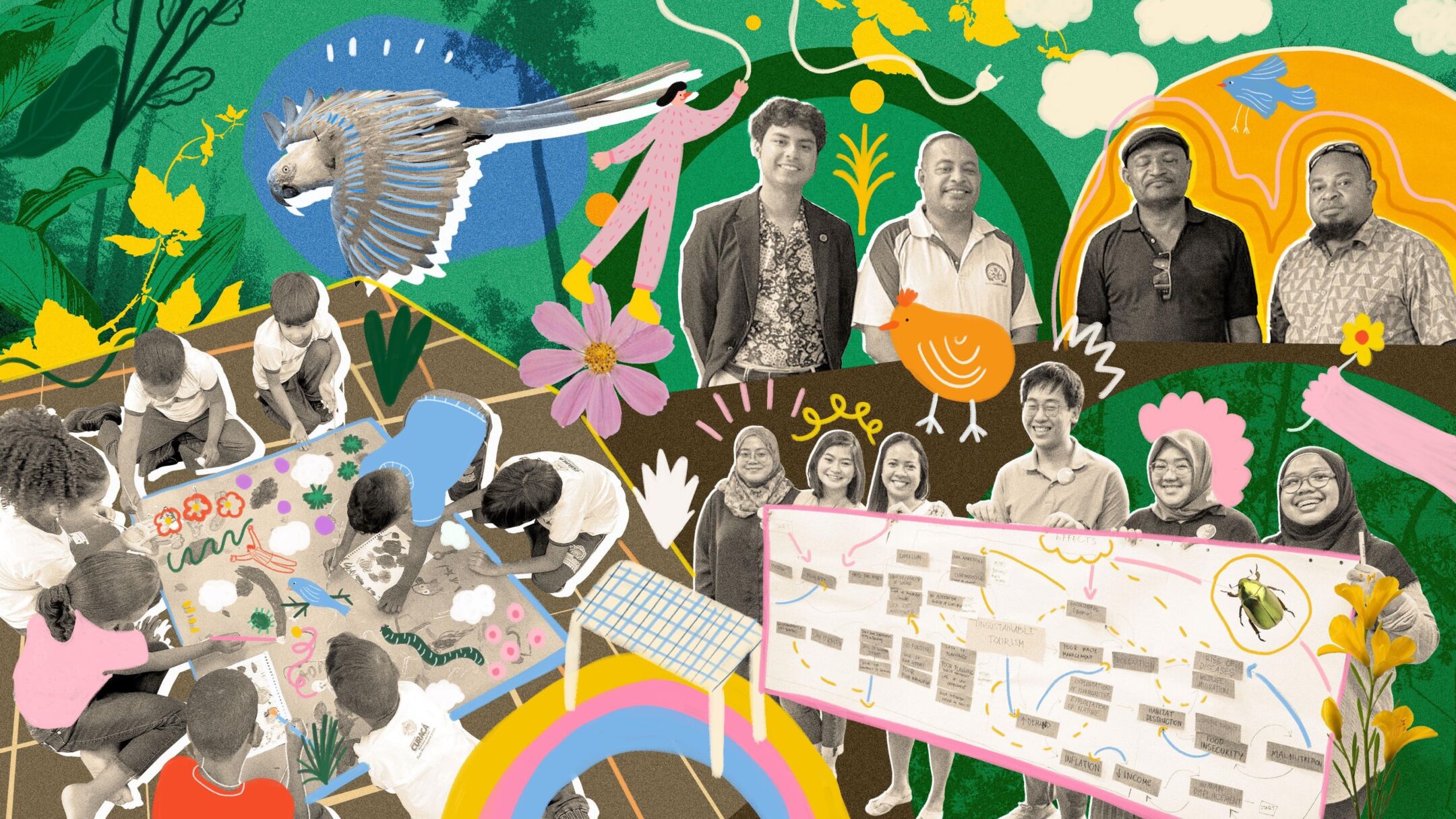
In 2024, as the world witnessed record-breaking biodiversity loss, from unprecedented Amazon forest destruction driven by climate-fueled wildfires to mass coral bleaching across the Pacific, a new generation of young leaders is rising to confront the crisis. From the marine reserves of Malaysia to the dry forests of Brazil, youth-led movements are taking conservation into their own hands, mobilizing communities, influencing policy, and reshaping humanity's understanding of its relationship with nature.
Their efforts come at a pivotal juncture, as governments and conservation leaders gathered at the 2025 International Union for Conservation of Nature (IUCN) World Conservation Congress, a quadrennial event preceded by a Global Youth Summit, with stakes higher than ever. The global community has less than a decade to halt biodiversity collapse and restore ecosystems vital to life on Earth, the United Nations (UN) says.
Breaking the cycle of biodiversity destruction
Maicon Maciel from Coopera Flora Azul, a grassroots organization that empowers youth in biodiversity conservation, is well aware of the gravity of the situation. A resident of a UNESCO-protected biosphere reserve in Brazil’s Caatinga region, he grew up hearing stories about the Spix’s macaw, or blue macaw. Endemic to the biome, the bird had disappeared from the scrub forest over two decades ago due to the illegal pet trade and habitat degradation caused by agriculture, cattle ranching, and logging, with the situation further worsened by climate change.
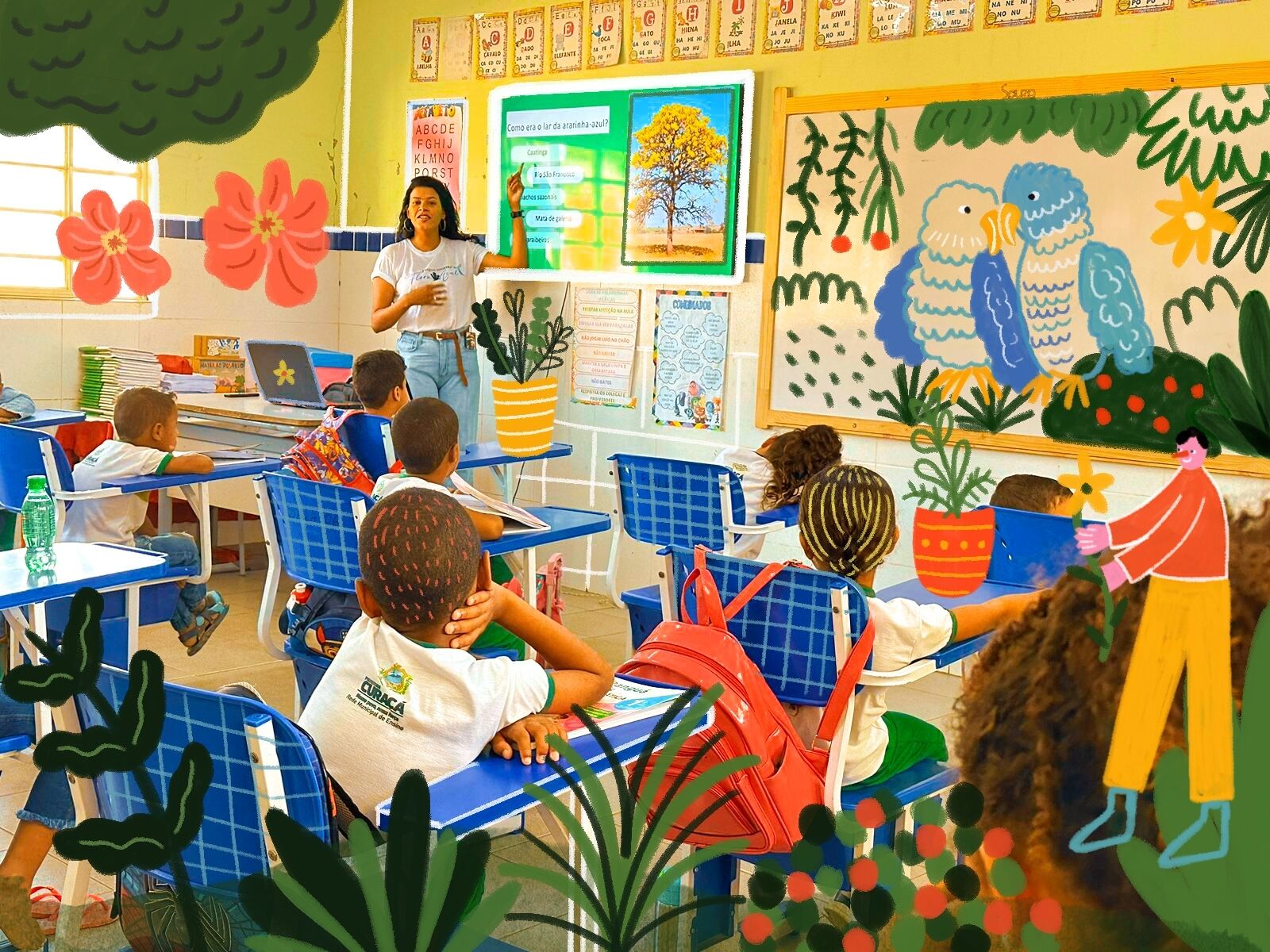
So when the authorities reintroduced the animal into the wild in 2022, Maicon knew that young people would be central to the protection of the threatened species. Through Coopera Flora Azul, Maicon and his peers visit schools and indigenous communities, teaching everyone about the biome and how conservation of biodiversity is essential for the communities. “Most young people don’t even know that the blue macaw is from here,” Maicon says.
“With conservation education, we hope that the new generations understand the importance of protecting forests, not harming any species. We hope to break the cycle.”
To help the communities make the most of this knowledge and earn a living sustainably in Caatinga, the group hired local youth and other community members to set up and maintain a nursery, producing up to 10,000 saplings annually. “Anyone from the 50 families we’re working with can pick up a seedling, plant it to grow fruit, or sell either,” Maicon says.
What makes this cooperation so fruitful is that it’s based on mutual trust and grounded in local knowledge. “Because we at Coopera are from here, we understand the challenges the indigenous communities are facing.” In fact, that was one of the first questions the communities asked Maicon: “Are you guys from another city?” When the group explained they’re also from Caatinga, that changed everything, and built immediate rapport. “That information brought a smile to people’s faces because they understood immediately we’re in it together.”
Holding those in power accountable
Halfway across the globe, RimbaWatch, an environmental think-tank based in Malaysia conducting research on regional climate-related issues, has been tackling the scourge of state and corporate impunity for environmental and biodiversity destruction. Lack of accountability by authorities and corporations, often with ties to ruling elites, is the main stumbling block to advancing conservation and biodiversity protection in the region, according to Adam Farhan, its Co-Founder and Director.
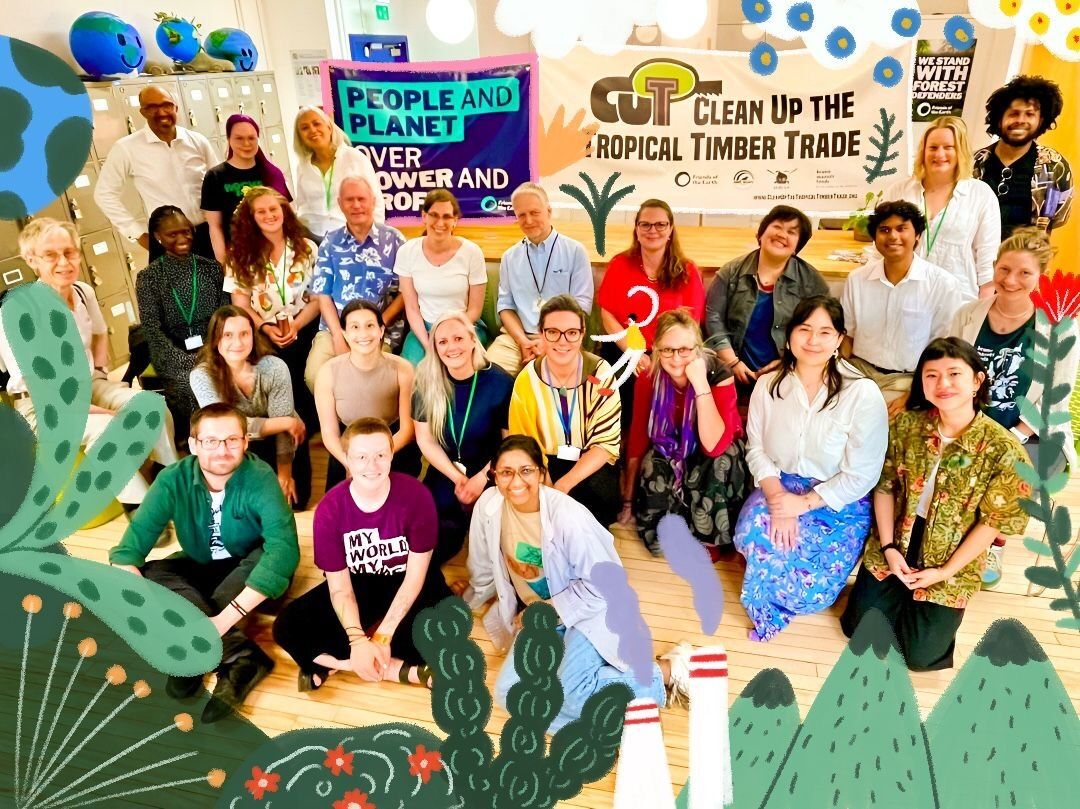
Ever since its creation in 2021, the youth-led organization has been publishing data on state-sanctioned deforestation and oil and gas expansion in biodiversity hotspots to inform the public and hold the powerful to account. In 2024, the group revealed how a state-owned oil company had turned a marine protected area on Malaysia’s island of Borneo into an oil and gas block.
The group’s impact and modus operandi have sparked interest internationally. To the extent that RimbaWatch participated in the 2025 IUCN Congress as an expert on global accountability in conservation, imparting their strategies on how to empower citizens to advocate for the future with data.
Now, to up the ante, Adam says, RimbaWatch will support local young leaders to advocate through media platforms on nature-related issues.
“In Malaysia’s environmental scene, [mainstream] voices are more visible than others. This will increase the visibility of issues that are important to the youth, which differ from those raised by the country’s more established advocates.”
For this leader, youth-led engagement is central to shaping the environmental movement. “Youth-led initiatives are essential in bringing marginalised and often-ignored voices to this table,” highlighting RimbaWatch’s commitment not only to tracking environmental issues, but also to supporting the next generation of advocates to speak out and hold the powerful accountable.
Youth voices in the global arena
The perspective of next-generation leaders, who will be most affected by the biodiversity loss, is equally critical, yet underrepresented at the UN level, according to Sefa Tauli, policy expert from the Global Youth Biodiversity Network (GYBN). This international gathering of youth organizations and individuals is representing young people’s voices at meetings around the UN Convention on Biological Diversity.
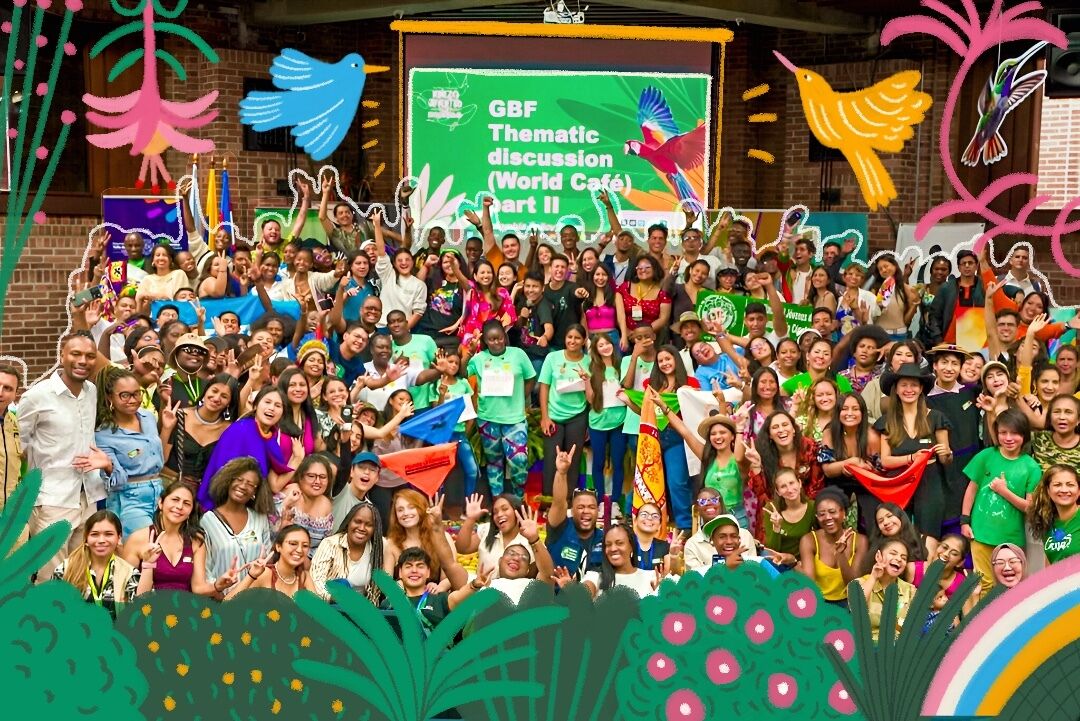
Whether it's the adverse impact of mining and dams on communities and vital habitats in the Philippines or illegal logging in the Amazon, GYBN ensures youth priorities reverberate on the global stage and shape international policy, which informs domestic action. And so thanks to the Network, topics like a human rights-based approach to biodiversity and intergenerational equity rang out on the international stage.
“We have a vision for a better, just world, and we need systemic change to get there,” says Sefa.
For that to happen, GYBN needs to continue supporting young leaders in navigating policy spaces at a local level and in high-level forums. The group is now rolling out a special fellowship programme to prepare youth experts for the UN Biodiversity Conference (COP 17), which will convene next year. “Our goal is to train them on more specific aspects of the international decision-making process, like how to critically analyse UN policy documents, and what things to watch out for that might be a false solution or look good only on paper,” Sefa says.
While Sefa and others in GYBN are aware of the limitations built into the UN system, which some say has no teeth, she’s adamant that the UN conventions and Conferences are vital to their fight because they create a mandate for governments to act. “In the Philippines, for example, we were able to push our government for more policies that support Indigenous Peoples because of the Kunming-Montreal Global Biodiversity Framework that we worked so hard to influence.”
🌸🌸🌸
Across continents, these young changemakers are reimagining what conservation can look like going forward. Whether it’s safeguarding the Amazon’s unique fauna through knowledge sharing and empowerment for long-term preservation, accountability for destruction of biodiversity, or inclusive international policy making, they are building a blueprint for the future of conservation — one that begins with young people, and belongs to everyone.
Learn more about their work: